
Leading UK Online Harassment Solicitors with a Proven Record
We are harassment solicitors with more than twenty years' experience of stopping harassment, and a record of cases that have made national headlines. Almost every harassment case we see now has an online element, whether it is messages, fake profiles, posts or the publication of private information, and it often moves offline too: someone turning up at a home or a workplace, contacting family, or following the victim. We deal with both. We find out who is behind it, get the material taken down, stop the contact with a solicitor's letter or a court injunction, and claim compensation and your legal costs from the person responsible.
Harassment is both a crime and a civil wrong under the Protection from Harassment Act 1997, so you do not have to wait for the police before you act. Our cases have featured on Netflix, BBC News, ITV's This Morning and GB News. We act from our office in Soho, London, for clients across the UK and abroad.
Who we act for
We act for individuals, families and businesses who are on the receiving end of harassment. Most of the harassment we deal with starts online or by phone, and most of it comes from someone the victim knows. The kinds of case we take include:
- Cyberstalking and stalking, including tracking, monitoring and turning up uninvited.
- Internet trolling, smear campaigns and false accusations posted to friends, colleagues or clients.
- Online impersonation and fake profiles.
- Doxing, where your address, phone number or workplace is published.
- Revenge porn and other intimate images shared or threatened without consent.
- Blackmail and extortion by an ex, a lover or someone met online.
- Breach of privacy, including secret filming and the publication of private information.
- Cyberbullying of adults and of children.
- Harassment by text message, email, phone and WhatsApp.
- Harassment by a former colleague, employee or boss, brought as a civil claim under the 1997 Act.
We also act for particular groups of clients whose cases tend to follow a pattern: people facing online harassment by family or an ex-partner, parents looking for legal advice for parents facing school harassment, businesses and directors dealing with harassment against a company, creators harassed on OnlyFans, and influencers and celebrities facing harassment.
Cases that made the news
Some of our clients have chosen to speak publicly about what happened to them. Their cases show what can be done when the police and the platforms had no answers left.
Lindsey Goldrick-Dean: thirteen years of harassment ended in the High Court
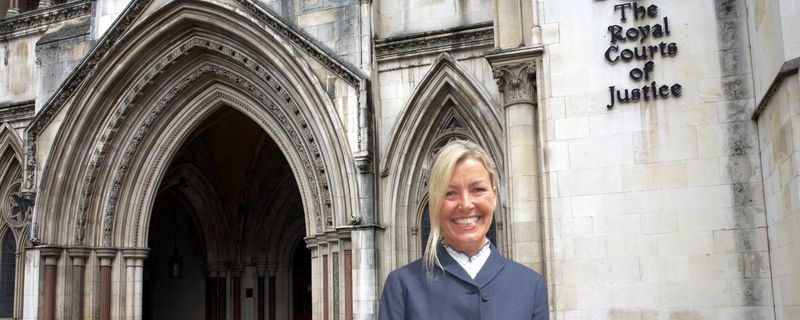
For thirteen years, a man Lindsey had met through an internet dating site built websites about her, some in her name, filled them with offensive, private and confidential material, and emailed, phoned and wrote to her friends and family to draw their attention to them. She went back to the police several times, and was eventually told they had no idea how to deal with it. We took the case on. On 9 July 2018 the High Court case against Paul Curran concluded with damages for Lindsey, an order restraining him from harassing her again, and a statement read in open court setting out what she had been through. Lindsey later told her story on ITV's This Morning.
Read the full account of Lindsey Goldrick-Dean v Paul Curran, and Yair Cohen's notes on the case.
Sweet Bobby: the longest known catfishing case

Radio presenter Kirat Assi was deceived for almost a decade by Simran Kaur Bhogal, a woman she knew in real life, who created more than fifty fictitious online characters, including "Bobby", the man Kirat believed she was in a relationship with. The story became the podcast and the Netflix documentary Sweet Bobby: My Catfish Nightmare. We acted for Kirat in what we believe was the first successful civil claim for catfishing in this country. The claim, brought in harassment and misuse of private information, settled with damages, costs and a private letter of apology. Read about the Sweet Bobby case, Kirat Assi v Simran Kaur Bhogal.
Sasha Davies: identified, and an apology in open court
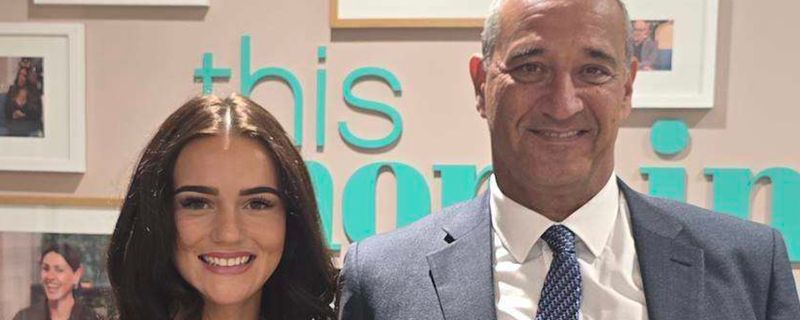
From the age of sixteen, Sasha Davies, a student from Wales, found her photographs being used across seven platforms by fake accounts under the name "Sophie", followed by more than 100,000 people. Strangers stopped her in the street calling her Sophie. The platforms removed accounts only for new ones to appear, and the police had nobody to arrest. After BBC News reported her story, Sasha appeared on ITV's This Morning, where Yair Cohen committed to finding the person behind the accounts. Our open-source intelligence team identified her. On 13 July 2026, in a statement read in open court at the High Court, Elha Mai Weston admitted responsibility, apologised, agreed to pay Sasha £10,000 and gave promises to the court, on pain of imprisonment, never to do it again.
Read the Sasha Davies catfishing case.
Stephen Belafonte: unwarranted harassment claims by Mel B defeated, with costs
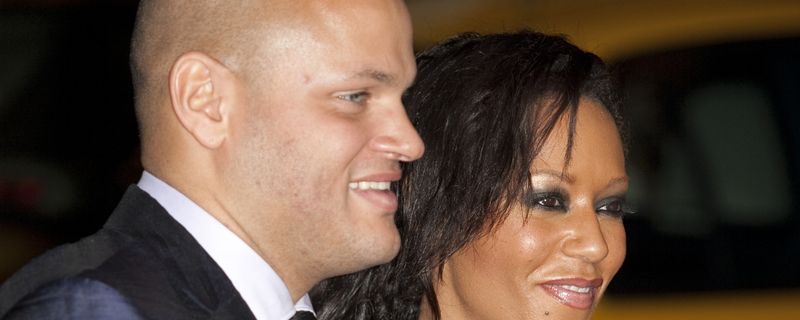
Harassment law can also be turned against the wrong person, and we defend those cases too. In June 2024, Melanie Brown, known as Mel B of the Spice Girls, applied without notice for an emergency non-molestation order against her former husband, our client Stephen Belafonte, claiming that he was harassing her while he was on a short visit to London. The order was made on her witness statement alone, before he knew anything about it.
We challenged it. At the return hearing on 27 June 2024 we put evidence before the court that contradicted her account, including emails which, in the judge's words, suggested it "was not the case" that she had no idea he was coming to the country. We also showed that information had been left out of her application, and it emerged that her lawyers had emailed the judge privately to hurry the case along, which the judge criticised. The judge made clear that an order is not granted to give an applicant peace of mind. Ms Brown withdrew her application before the judge could rule, every order against Mr Belafonte was discharged, and the court ordered her to pay his legal costs, which is rare in the family courts.
In our view, the application was itself part of the harassment of our client. On the day of the hearing, The Sun published an article telling its readers that Mr Belafonte faced police questioning over harassment claims made by Ms Brown, which appears to show that the claims were being passed to the press at the same time as they were being put to the court. Mr Belafonte denies the allegations and is pursuing the matter in separate defamation proceedings in England and the United States.
Read Yair Cohen on the Mel B and Stephen Belafonte court case and the Stephen Belafonte v Mel B case.
Frankie Rzucek: a US family's case against a UK YouTuber

Frankie Rzucek lives in the United States. After his sister Shanann Watts and her two daughters were murdered in Colorado in 2018, a UK-based YouTuber, Alan Vinnicombe, published at least 180 videos about the case, and then a series of videos accusing Frankie of dishonestly raising money and of harassment himself. US lawyers could do little about conduct on the other side of the Atlantic, so the family came to us. On 23 April 2026 the High Court awarded Frankie £40,000 in damages and an injunction restraining the defendant from repeating the allegations, in Rzucek v Vinnicombe [2026] EWHC 946 (KB).
The case also shows why the choice of claim matters for victims abroad. The court held that a harassment claim under the 1997 Act needs the victim to have experienced the harassment in England and Wales, so the defamation claim, which does not depend on where the victim lives, was the one that delivered the remedy. We act regularly for clients in the United States and elsewhere who are targeted from the UK. Read the case of Frankie Rzucek v Alan Vinnicombe.
Many of these clients had been told, sometimes for years, that nothing could be done.
More cases we have stopped
Most of our work is confidential, but some clients have agreed to their cases being described in anonymised form.
A hate website about a professional. Our client had been targeted for over a decade by someone with a personal grievance, who maintained a website repeating old allegations and used fake social media profiles to send it to colleagues and family. The client's own attempts to have it removed had failed. We put the evidence to the harasser in a formal letter setting out the consequences of carrying on, and the harasser took the website down. Read the case study on what to do if someone creates a harassing website about you.
Cross-border abuse from an ex's new partner. A client in New York was receiving threats and racial abuse from her former partner's girlfriend in the UK. We sent a letter with the offer of a legally binding undertaking, and she signed it. When the messages started again months later, a second letter warning of imminent proceedings ended them without the need for court. Read how we helped a US-based victim stop cross-border harassment.
Websites set up by a former employee. A former senior manager at a United Nations agency was the target of four websites and leaflets published by a junior colleague whose engagement had ended. He ignored our letter, so we traced him, served him and obtained an injunction under the 1997 Act in the High Court ordering the websites to be deleted. He complied and gave undertakings to the court. Read the case study on a harassment injunction following online harassment of a former employer.
An anonymous attacker on Instagram. A well-known client was receiving threats and false allegations from anonymous Instagram accounts, and could not wait for the platform to identify the user. We obtained an injunction against the unknown defendant and the court's permission to serve it through Instagram itself, which we understand was the first time an injunction had been served that way in England and Wales. Read about the service of a social media injunction by social media.
More examples are in our online harassment case studies.
What happens in the first week
Most clients come to us after trying to deal with it themselves: blocking accounts, reporting posts, going to the police and being told it is a civil matter. The first week with us usually looks like this.
- Consultation and evidence. We go through what has happened, what you want to achieve and what evidence you have. Bring screenshots showing the account name, the link and the date, and a short timeline. Do not reply to the harasser in the meantime.
- Identification. If the person is anonymous, our in-house open-source intelligence team starts work on who is behind the accounts. Where that is not enough, we can apply to court for a disclosure order against the platform.
- Takedown. We send legal notices to the platforms, hosts and search engines that name the offence and the claim, which tends to get a faster response than a user report.
- The solicitor's letter. Once we know who it is, we write to them setting out what they have done, the law they have broken and what we require, usually with a deadline of seven to fourteen days. Many harassers stop here.
- The injunction. If the risk is too high to wait, or the letter is ignored, we apply to court. In urgent cases an interim injunction can be obtained within twenty-four hours, including against "persons unknown".
After the consultation you receive a written estimate for each step, so that you can decide stage by stage.
The remedies we use
Each case needs a different mix, and choosing the right order is often what keeps the cost down. The remedies we use most are:
- A police report, alongside or instead of a civil claim. We help you present the evidence so that it is taken seriously. Our guide to reporting harassment to the police explains what the police can and cannot do.
- A solicitor's letter or harassment warning. A formal letter, often with a signed undertaking not to repeat the conduct. See our harassment warning guide.
- A harassment injunction. A court order forbidding further contact or publication, and ordering deletion. See online harassment injunction and, where time matters, obtaining an emergency injunction.
- Identifying an anonymous harasser. Open-source investigation first, then, where needed, Norwich Pharmacal orders for social media.
- Removal of content and images. Takedowns from platforms, websites and search results, using the legal routes when the reporting tools fail.
- Damages and costs. A claim for compensation, and for the person responsible to pay a substantial part of your legal costs.
What outcome you can realistically expect
Where material has been posted, removal is usually the first result, typically within days to a few weeks depending on where it is hosted. Many cases end at the letter stage with the harassment stopping and, often, a signed undertaking. Where an injunction is needed, an interim order can be in place within days, and most contested cases end with the other side giving undertakings rather than going to trial.
Damages for harassment commonly range from the low thousands to the low tens of thousands of pounds, and in some cases we have secured six-figure sums for our clients. In Levi v Bates [2015] EWCA Civ 206 the court awarded the claimant £6,000 after her home address was published and supporters were encouraged to contact the household; in Hourani v Thomson [2017] EWHC 432 (QB) the award for harassment was £30,000, alongside separate libel damages. Where private information or intimate images are involved, a misuse of private information claim can add to that.
The risks are worth weighing from the start. The other side may argue that their conduct was reasonable or a matter of free expression, which carries more weight where the target is a public figure and the conduct concerns their public role. An overseas or anonymous harasser can slow things down, though it rarely stops them. And a fully contested case is expensive, which is why we advise stage by stage and tell you where we think the matter is likely to settle.
What the law says about harassment
Harassment does not have to involve threats. Under section 1 of the Protection from Harassment Act 1997, a person must not pursue a course of conduct which amounts to harassment of another, and which they know or ought to know amounts to harassment. Section 7 explains that harassment includes alarming a person or causing them distress, and that a course of conduct needs conduct on at least two occasions. Speech counts as conduct, so repeated posts, messages and publications can be enough. The Court of Appeal confirmed in Thomas v News Group Newspapers [2001] EWCA Civ 1233 that publications can amount to harassment where they are oppressive and unreasonable.
The criminal law sits alongside. Harassment is an offence under section 2, stalking under section 2A, and putting someone in fear of violence under section 4, which carries up to ten years' imprisonment. Online, the Online Safety Act 2023 adds the offences of sending a threatening communication (section 181) and a knowingly false communication intended to cause harm (section 179), and section 1 of the Malicious Communications Act 1988 and section 127 of the Communications Act 2003 still apply.
The civil law is the part you control. Section 3 of the 1997 Act gives you a claim in your own right, for damages for anxiety and financial loss and for an injunction. Breaching a civil injunction made under section 3 is itself a criminal offence under section 3(6). You usually have six years to bring a civil harassment claim, because section 11(1A) of the Limitation Act 1980 takes these claims outside the shorter personal injury time limit, although moving early almost always gives a better result.
The person harassing you may say they were acting reasonably, or to prevent crime. Section 1(3) provides those defences, and the Supreme Court in Hayes v Willoughby [2013] UKSC 17 held that someone relying on the crime prevention defence must have thought rationally about whether their conduct was justified. Where the harassment happens at work, an employer can be liable for harassment by an employee in the course of employment, as the House of Lords decided in Majrowski v Guy's and St Thomas's NHS Trust [2006] UKHL 34.
Our team, and how we investigate
Our solicitors deal with harassment every day, and are trained in both the civil and the criminal side, so that we can advise you on which route is most likely to work, or how to use both together. Our team is led by Yair Cohen, a legal expert on social media law who comments regularly on internet law in the national media.
Cohen Davis has its own open-source intelligence department, built up over more than a decade, with lawyers trained in open-source investigation and access to specialist databases. We believe this is unique to our firm. The investigation is done in-house rather than sent to an agency, and because the people finding the evidence are the people who will use it, it is prepared to a standard a court will accept.
Yair Cohen speaks regularly on television and radio about online harassment and the people it targets.
You do not need to live near London to instruct us. Most of our clients never visit the office: consultations take place by video or phone, clients can follow their case and upload evidence through our secure online system, and we act for clients across England and Wales and for victims abroad who are being harassed from the UK.
Fees and funding
A first consultation is charged at a fixed, all-inclusive fee of £469. After it we give you a written estimate for each step, so that you decide stage by stage. Book a consultation with an online harassment solicitor.
Beyond the consultation, the cost depends on how far the matter needs to go. A solicitor's letter sits at the lower end. A disclosure order against a social media platform typically costs in the region of £5,000 plus VAT. Injunction proceedings have cost our clients anywhere between £10,000 and £150,000, depending on the evidence, whether the other side is known and whether they fight; our guide to harassment injunction cost explains what drives the figure.
There are several ways to fund a case, set out in our guide to funding harassment cases:
- No win no fee. In some cases we can act under a conditional fee agreement once we have assessed the prospects. See no win no fee harassment solicitor.
- Legal expenses insurance. Home, car and business policies sometimes include it. See legal expenses insurance in harassment cases.
- Recovering costs from the harasser. If you win, the court will normally order the other side to pay a substantial part of your legal costs, and many cases settle on terms that include a contribution.
- Legal aid. We do not act under legal aid; our legal aid guide explains why and where to look if you might qualify.
Frequently asked questions
How much does a harassment solicitor cost?
The first consultation is at the fixed fee shown above. After it we give a written estimate for each step. A solicitor's letter is the least expensive stage, a disclosure order costs from £5,000 plus VAT, and injunction proceedings vary widely with the evidence and whether the other side defends.
Can I sue someone for harassment?
Yes. Section 3 of the Protection from Harassment Act 1997 lets you bring a civil claim for damages and an injunction. You need to show a course of conduct, meaning at least two occasions, which the other person knew or ought to have known amounted to harassment.
Do I have to go to the police first?
No. A civil claim does not depend on a police report, and you can do both at the same time. It is often sensible to report and obtain a crime reference number, particularly if you feel unsafe, in which case call 999.
Do you only act for clients in London?
No. We are based in London but act for clients throughout England and Wales, and for clients abroad who are being harassed by someone in the UK. Most consultations are held by video or phone.
What if I do not know who is harassing me?
Most anonymous harassers can be identified. We start with open-source investigation and, where needed, apply for a disclosure order requiring the platform to reveal the account holder. An injunction can be obtained against "persons unknown" in the meantime.
How quickly can you stop the harassment?
A solicitor's letter can go out within days of instruction, and in urgent cases an interim injunction can be obtained within twenty-four hours. Takedowns from mainstream platforms often follow within days once properly requested.
Can you act on a no win no fee basis?
Sometimes. We first need to assess whether the claim is likely to succeed and whether costs can be recovered from the other side, and you might be asked to pay for part of that assessment. After-the-event insurance can cover the other side's costs if the case is lost.
What if the harassment has moved offline?
The law treats it as one course of conduct. Messages, posts, visits to your home or workplace and contact with your family can all be put together in one claim and one injunction. If you feel unsafe at any point, call 999.